Tuesday, 7 October 2025

7 Key Benefits of Marriage Counselling for Couples

Benefits of Marriage Counselling


Marriage counselling sounds like something only couples in crisis need. Yet, over 70 percent of couples report improved relationship satisfaction after therapy. Most people are surprised to learn that counselling is not just for fixing broken marriages. It can actually help good relationships get even stronger, reveal hidden patterns, and bring back real closeness before serious issues even start.


Table of Contents


Quick Summary


TakeawayExplanation
Improve communication skills effectivelyDevelop techniques for expressing emotions and practicing active listening to enhance relationship dynamics.
Resolve conflicts with productive strategiesLearn to identify emotional triggers and employ ‘I’ statements to foster understanding and collaboration.
Strengthen emotional intimacy as a coupleCreate safe spaces for vulnerability and consistent engagement to reinforce trust and connection.
Gain insights into relationship patternsRecognize unconscious behaviors and historical influences to improve communication and relational dynamics.
Set and achieve shared relationship goalsCollaboratively create actionable plans that align individual aspirations with mutual values and timelines.

1: Understanding the Role of Marriage Counselling


Marriage counselling is a professional therapeutic intervention designed to help couples navigate complex relationship challenges and strengthen their emotional connection. Professional counsellors provide a safe, neutral environment where partners can openly discuss their concerns, communicate more effectively, and develop healthier relationship dynamics.


At its core, marriage counselling serves multiple critical functions for couples experiencing difficulties. According to American Association for Marriage and Family Therapy, couples therapy can address a wide range of relationship issues with significant success rates.


Key purposes of marriage counselling include:


  • Improving communication skills between partners


  • Resolving persistent conflicts and misunderstandings


  • Rebuilding trust and emotional intimacy


  • Developing strategies for managing stress and external pressures


  • Exploring individual and shared relationship goals


Couples typically seek counselling during various relationship stages when communication breaks down or emotional distance grows. Whether facing minor disagreements or more serious challenges like infidelity, financial stress, or compatibility issues, professional counselling offers a structured approach to understanding and resolving relationship dynamics.


By working with a trained therapist, couples gain insights into their interaction patterns, learn effective communication techniques, and develop tools for maintaining a healthy, resilient partnership. Wise Husband’s comprehensive guide on marriage counselling provides additional context for couples considering this supportive intervention.


2: Improved Communication Skills in Your Relationship


Improved communication represents one of the most transformative benefits of marriage counselling. Effective communication goes beyond simply talking—it involves understanding, active listening, and expressing emotions authentically. Many couples struggle with communication barriers that gradually erode their relationship’s foundation, creating distance and misunderstanding.


Research from the Gottman Institute reveals that couples who communicate effectively are significantly more likely to maintain long-term relationship satisfaction. Marriage counselling provides structured techniques to help partners break negative communication patterns and develop healthier interaction strategies.


Critical communication skills developed through counselling include:


  • Learning to express emotions without blame or defensiveness


  • Understanding nonverbal communication cues


  • Practicing active and empathetic listening


  • Identifying and addressing underlying emotional triggers


Miscommunication often stems from deeply ingrained personal communication styles, which can create recurring conflicts. A professional counsellor helps partners recognize these patterns and develop more constructive ways of expressing their needs and feelings.


By transforming communication dynamics, couples can create a more supportive, understanding relationship environment. Our comprehensive guide on communication in marriage offers additional insights into building stronger connections.


The goal is not to eliminate disagreements but to approach them with mutual respect, empathy, and a genuine desire to understand each other’s perspectives. Marriage counselling equips couples with practical tools to navigate challenging conversations, resolve conflicts more effectively, and ultimately build a more resilient partnership.


3: Conflict Resolution Strategies for Couples


Conflict is an inevitable part of any relationship, but how couples manage disagreements determines their long-term relationship health. Marriage counselling provides essential strategies for transforming destructive conflicts into opportunities for growth and deeper understanding.


According to Psychology Today, effective conflict resolution involves more than simply avoiding arguments—it requires developing emotional intelligence and constructive communication techniques.


Key conflict resolution strategies learned through marriage counselling include:


  • Identifying underlying emotional triggers


  • Practicing active listening without becoming defensive


  • Using “I” statements to express feelings without blaming


  • Developing empathy and understanding your partner’s perspective


Unresolved conflicts can create significant emotional distance between partners, potentially leading to resentment, disconnection, and eventually relationship breakdown. Professional counsellors help couples recognize unhealthy conflict patterns and replace them with more productive approaches.


The goal of conflict resolution is not to determine a “winner” but to find mutual understanding and collaborative solutions. Our comprehensive guide on fighting fair in marriage offers additional insights into maintaining relationship harmony.


By learning these strategies, couples can transform potential arguments into meaningful conversations that strengthen their emotional connection. Marriage counselling provides a supportive environment where partners can practice these skills, gaining tools to navigate future challenges with greater compassion, patience, and mutual respect.


4: Strengthening Emotional Intimacy with Counselling


Emotional intimacy represents the deep, authentic connection that transforms a relationship from merely coexisting to truly thriving. Marriage counselling plays a crucial role in helping couples rebuild and strengthen this fundamental aspect of their partnership, addressing emotional barriers that often develop over time.


Research from the Journal of Marital and Family Therapy indicates that couples who cultivate emotional intimacy experience significantly higher relationship satisfaction and longer-lasting connections.


Key elements of emotional intimacy development through counselling include:


  • Creating safe spaces for vulnerability


  • Understanding personal and partner’s emotional landscapes


  • Rebuilding trust through consistent emotional engagement


  • Learning to express deeper feelings and needs authentically


Emotional distance can emerge from unresolved conflicts, external stressors, and individual psychological patterns. Professional counsellors help partners explore the root causes of emotional disconnection, providing targeted strategies to recreate meaningful emotional bonds.


Couples often discover that emotional intimacy requires more than physical proximity—it demands genuine understanding, empathy, and consistent emotional investment. Our comprehensive guide on emotional intimacy offers deeper insights into nurturing these critical relationship connections.


By engaging in marriage counselling, partners learn to recognize emotional patterns, communicate more transparently, and create a relationship environment where both individuals feel seen, heard, and genuinely valued. The process transforms emotional barriers into bridges of understanding, ultimately reconnecting partners at a profound, meaningful level.


5: Gaining Insight into Relationship Patterns


Understanding relationship patterns represents a critical breakthrough in marriage counselling, offering couples profound insights into recurring dynamics that may unconsciously undermine their connection. These patterns often emerge from individual psychological backgrounds, family histories, and learned behavioral responses.


According to The American Psychological Association, repetitive relationship patterns can significantly impact marital satisfaction and long-term partnership success.


Key relationship pattern insights gained through counselling include:


  • Recognizing unconscious triggers and reactive behaviors


  • Understanding individual attachment styles


  • Identifying generational relationship scripts


  • Mapping emotional response mechanisms


Most couples are unaware of the deep-rooted psychological mechanisms driving their interactions. Professional counsellors help partners deconstruct these complex patterns, revealing underlying motivations, fears, and communication strategies that have developed over time.


Our comprehensive guide on understanding relationship dynamics provides additional context for exploring these intricate interpersonal mechanisms.


By gaining clarity about these patterns, couples can consciously choose more constructive relationship approaches. This self-awareness transforms unconscious reactions into intentional, compassionate interactions, breaking negative cycles and creating space for genuine emotional connection and mutual understanding.


6: Setting and Achieving Relationship Goals Together


Goal setting represents a transformative process in marriage counselling, enabling couples to create a shared vision and collaborative roadmap for their relationship. Many partners struggle to align their individual aspirations, leading to misunderstandings and potential conflicts about future directions.


According to Harvard Business Review, effective goal setting requires mutual understanding, shared values, and consistent communication.


Important relationship goal-setting strategies include:


  • Creating specific, measurable, and achievable objectives


  • Establishing mutual timelines and accountability


  • Balancing individual and collective aspirations


  • Regularly reviewing and adjusting goals together


Professional counsellors provide structured frameworks that help couples transform abstract desires into concrete, actionable plans. These strategies go beyond simple wishful thinking, offering practical methods for turning relationship dreams into reality.


Our comprehensive guide on understanding relationship milestones offers additional insights into effective goal planning.


By working together in counselling, couples learn to communicate more effectively about their hopes, fears, and expectations. This collaborative approach not only helps them set meaningful goals but also strengthens their emotional connection and mutual understanding, creating a more resilient and intentional partnership.


7: Finding Balance and Support as Parents


Parenting presents one of the most challenging and transformative experiences in a marriage, often creating significant stress and potential relationship strain. Marriage counselling provides critical support for couples navigating the complex dynamics of parenthood, helping them maintain a strong partnership while raising children.


Research from the American Psychological Association demonstrates that couples who proactively manage parental stress experience stronger relationships and more stable home environments.


Key strategies for maintaining parental balance include:


  • Sharing emotional and practical parenting responsibilities


  • Developing consistent co-parenting communication


  • Managing individual and collective parental expectations


  • Creating intentional couple time amidst parenting demands


Parental challenges can quickly erode relationship intimacy if not addressed systematically, and professional counselling offers targeted approaches to help partners support each other through this demanding life stage. Counsellors help couples recognize potential conflict zones, develop empathy, and create collaborative parenting strategies.


Our comprehensive guide for dads provides additional parenting insights that complement the therapeutic approaches discussed in marriage counselling.


By investing in marriage counselling, parents can transform potential sources of tension into opportunities for deeper connection, mutual understanding, and shared growth. The process enables couples to approach parenting as a united team, supporting each other’s individual needs while collectively nurturing their children.


Below is a comprehensive table summarizing the seven main benefits of marriage counselling and how each supports healthier, more resilient relationships for couples, as discussed throughout the article.


Key BenefitDescriptionPractical Outcomes
Improved Communication SkillsCounselling helps couples practice authentic expression, active listening, and understanding nonverbal cues.Reduces misunderstandings, fosters empathy, and builds a supportive dialogue.
Effective Conflict Resolution StrategiesPartners learn to identify emotional triggers, listen non-defensively, and use “I” statements amidst disagreements.Minimizes escalation, transforms arguments into collaborative problem-solving.
Strengthened Emotional IntimacyTherapy creates safe spaces for vulnerability and rebuilding trust through consistent emotional engagement.Increases closeness, trust, and authentic connection.
Greater Insight Into Relationship PatternsCouples recognize unconscious behaviors, attachment styles, and historical influences that shape their relationship.Enables intentional change, breaks negative cycles, and improves mutual understanding.
Shared Relationship Goal SettingCounsellors guide couples in establishing specific, measurable goals that reflect shared values and aspirations.Promotes teamwork, clarity about the future, and sustained partnership growth.
Parental Balance and SupportCounselling addresses parenting stressors by improving co-parenting communication and sharing responsibilities.Strengthens the relationship, stabilizes the home environment, and supports both partners as parents.
Professional, Neutral GuidanceTherapists provide a structured, unbiased environment for confronting difficult issues and developing healthy habits.Encourages openness, mutual support, and long-term resilience for couples at any relationship stage.

Ready for a Stronger, More Connected Marriage?


If unresolved conflict, weak communication, or emotional distance are holding your relationship back, you are not alone. This article highlighted how marriage counselling helps you build real skills like honest communication and conflict resolution, while rebuilding trust and emotional intimacy. But insight alone will not transform your marriage—it takes daily action, support, and the right mindset. To take what you have learned further, explore Daily Relationship Wisdom - Wise Husband for advice on healthy patterns, meaningful connection, and real solutions tailored for men who want to lead well at home.


https://wisehusband.com/


Why wait for things to get worse when you can start building the relationship you deserve right now? At WiseHusband.com, everything is designed to give men like you the tools, clarity, and daily inspiration needed to thrive in marriage. Take your first step towards lasting change—visit the site today and join men dedicated to stronger relationships, deeper connection, and becoming the best husband possible.


Frequently Asked Questions


What is the primary purpose of marriage counselling?


Marriage counselling aims to help couples navigate relationship challenges, improve communication, resolve conflicts, and strengthen emotional connections.


How does marriage counselling improve communication skills?


Marriage counselling teaches effective communication techniques such as active listening, expressing emotions without blame, and understanding nonverbal cues to help couples communicate more constructively.


What strategies are used in marriage counselling for conflict resolution?


Counsellors provide strategies such as identifying emotional triggers, using ‘I’ statements, and fostering empathy to transform destructive conflicts into collaborative conversations.


How can marriage counselling help with emotional intimacy?


Marriage counselling fosters emotional intimacy by creating safe spaces for vulnerability, rebuilding trust, and helping couples express deeper feelings and needs authentically.


Get the Wise Husband Book


https://wisehusband.com/7-key-benefits-of-marriage-counselling/?fsp_sid=1255

Are You Afraid of Your Wife?


Are You Afraid of Your Wife? Let’s Talk About It.


It might not be something you say out loud, but deep down, do you ever feel like you’re walking on eggshells around your wife? Are you afraid of upsetting her? Are you afraid of losing her?

https://www.youtube.com/shorts/ejPzYqCVo5I

If you’re nodding yes—even just a little—then this post is for you.

Fear in a marriage can show up in sneaky ways. You may think you're just "keeping the peace" or "being a good guy," but what’s really happening is you’re losing yourself. And when you lose yourself, you risk losing her too.

Let’s unpack what’s going on and how you can reclaim your strength—not through domination or bravado, but through grounded, confident presence.

Afraid of Your Wife? You’re Not Alone.

If you’re afraid of your wife, you're not weak or broken. You’re human.

Many husbands silently carry this fear: the fear of conflict, the fear of disapproval, and ultimately, the fear of abandonment. It’s especially common among men who deeply care about their families and want to be good husbands. But here’s the problem—fear doesn’t build love or respect. It erodes both.

When you're afraid of your wife, it shows up in subtle ways. You say yes when you mean no. You stay quiet instead of speaking up. You shrink your needs to avoid rocking the boat. All of this might feel like love, or sacrifice, but it’s often fear in disguise.

The Hidden Cost of People-Pleasing

Afraid of your wife? Then you may find yourself constantly trying to please her. You might go out of your way to avoid upsetting her, always saying what you think she wants to hear. You may even put your own needs on the back burner, hoping it will keep the relationship stable.

But here’s the truth: this kind of people-pleasing doesn’t create harmony. It creates imbalance.

When you suppress your own voice, you slowly lose your power. You begin to feel invisible—not just to her, but to yourself. Your needs don’t go away; they just get buried, and buried needs often resurface as resentment, stress, or even emotional numbness.

That’s not love. That’s quiet desperation.

Why Fear Doesn’t Foster Love

When your behavior is driven by fear, your wife can sense it. Even if she doesn’t say it outright, she picks up on the energy.

Instead of feeling loved, she feels smothered—or worse, she sees you as someone who’s trying to control her through passive tactics like avoidance, silence, or approval-seeking.

When you're afraid of your wife, you may think you're being caring or respectful. But what she feels is something very different: a lack of strength.

And strength doesn’t mean being aggressive or dominant. It means standing in your truth, being grounded in who you are, and engaging with her from a place of clarity—not fear.

How Fear Turns into Contempt

According to marriage researcher Dr. John Gottman, contempt is the single biggest predictor of divorce. And sadly, fear often leads to contempt.

Why?

Because when you're afraid of your wife, you stop showing up as a full, mature partner. You become hesitant, unsure, and emotionally dependent. Over time, this erodes the foundation of respect. What starts as mild frustration can snowball into disdain.

She no longer sees you as a man she can count on. Instead, you may feel more like a child or a follower. And no one wants to be in a romantic relationship with someone they feel they have to parent.

What It Means to “Lose Yourself”

Being afraid of your wife often means you’ve disconnected from your core identity.

You no longer trust your instincts. You second-guess your decisions. You rely on her emotional state to guide your own.

This is what it means to lose yourself in a relationship—and it’s one of the fastest ways to kill intimacy.

Healthy relationships are built on mutual respect and emotional independence. You should be able to stand on your own, speak your truth, and hold your boundaries with kindness and confidence.

When that’s missing, the relationship becomes fragile—built on fear, not strength.

Reclaiming Your Inner Warrior

So what’s the way forward?

If you’re afraid of your wife, the solution isn’t to “man up” in the traditional sense. It’s not about getting louder, tougher, or more demanding.

It’s about tapping into your inner Warrior.

The Warrior isn’t a bully. He’s not reactive or emotional. He’s grounded, calm, and firm. He knows who he is. He doesn’t need to control others, because he controls himself. He speaks the truth, not to provoke, but to stand in integrity.

When you lead with that energy, something shifts. Your wife feels safer, even when you disagree. She respects your clarity. She feels your strength. That’s when true intimacy begins to return—not the intimacy of “please don’t leave me,” but the deep connection of “I see you, and I trust you.”

Learning to Handle Conflict Like a Man

Many men fear conflict with their wives because they assume conflict means failure. But in reality, avoiding conflict is a form of emotional weakness.

Healthy marriages include disagreements. They include hard conversations. What matters is how you show up in those moments.

Are you calm or reactive? Do you shut down or do you engage? Do you hold space for her emotions without abandoning your own?

A mature man doesn’t fear conflict. He embraces it as a path to deeper connection.

Your Voice Matters in the Marriage

When you’re afraid of your wife, you often stop using your voice. You stay silent to avoid arguments or disapproval.

But a marriage without your voice is a marriage without your presence.

You matter. Your thoughts, your needs, your feelings—they matter. A healthy wife wants to hear you. She may not always agree, but she wants to know who you are.

Silence may feel safe in the short term, but it creates emotional distance over time. The antidote to that is courage. Speak up—not to win, not to prove, but to connect.

How to Start Reclaiming Yourself

If you’ve realized that you’ve been afraid of your wife, the good news is—you can change. You don’t have to stay stuck in fear.

Start small:

  • Notice where you’ve been avoiding.

  • Practice saying “no” when it’s honest.

  • Take space when needed, without apology.

  • Share your real opinions, even if they differ from hers.

  • Invest in yourself—your body, your purpose, your inner growth.

As you reconnect with your core, you begin to show up differently. You feel more grounded, and she will feel that too. Over time, this creates a new dynamic—one built on strength, clarity, and mutual respect.

Afraid of Your Wife? Then It’s Time to Lead

Leadership in marriage isn’t about control. It’s about presence. When you're afraid of your wife, you abdicate leadership—not just in the relationship, but in your own life.

Step back into that role—not with ego, but with integrity.

Lead by example. Lead by owning your truth. Lead by staying connected even in discomfort. That’s what turns fear into strength, and distance into real connection.

Final Thought: Love Without Fear

Being afraid of your wife isn’t a sign of love. It hurts your marriage. It’s a sign that something’s out of balance. True love doesn’t ask you to shrink, disappear, or abandon yourself.

It asks you to show up fully—warts and all—with honesty, strength, and care.

If you’re ready to stop living in fear and start building a marriage built on respect and strength, start by looking within. That’s where your real power lives.

Want More?
Check out Wise Husband: How to Use Your Strengths to Benefit Your Family for more tools on how to lead with strength, not fear.


Get the Wise Husband Book


https://wisehusband.com/are-you-afraid-of-your-wife/?fsp_sid=1243

Thursday, 2 October 2025

Understanding Relationship Milestones: What They Mean


relationship milestones couple
Relationship milestones shape the way couples grow and change together. Research from the Gottman Institute shows these key moments are strong clues for how long a relationship will last and how healthy it feels. Most people expect flashy gestures to mean the most. Instead, the real transformation happens in simple decisions and shared struggles that few notice. Think less about anniversaries and more about the quiet points that reveal just how much two people are evolving as a team.

Table of Contents


Quick Summary


TakeawayExplanation
Recognize key relationship milestonesIdentifying milestones fosters deeper emotional connections and commitment.
Milestones reflect shared growthThese moments serve as markers of mutual evolution in the partnership.
Celebrate milestones for relationship healthHonoring milestones enhances relationship satisfaction and trust between partners.
Use milestones for recalibrationThey provide opportunities to reassess goals and strengthen relational dynamics.
Explore real-world milestone examplesUnderstanding practical milestones helps couples build resilience through shared experiences.

Defining Relationship Milestones: A Fundamental Guide


Relationship milestones represent critical transformative moments that mark significant transitions and growth within romantic partnerships. These are not merely arbitrary checkpoints but profound emotional and psychological markers that reflect the deepening connection between partners.

Understanding the Essence of Relationship Milestones


At their core, relationship milestones are shared experiences that symbolize commitment, trust, and mutual evolution. According to Gottman Institute’s Relationship Research, these moments are crucial indicators of relationship health and potential longevity.
Key characteristics of relationship milestones include:

  • Representing mutual agreement and emotional investment

  • Signaling transitions in relationship depth and commitment

  • Creating shared memories and narrative

  • Demonstrating personal and collective growth


Psychological Significance of Milestone Moments


Relationship milestones transcend simple chronological markers. They represent psychological contracts between partners, reflecting individual and collective expectations. Psychological Research in Relationship Development suggests these moments serve as critical junctures where partners reaffirm their connection and negotiate future relationship dynamics.
These milestones might include first meeting, first date, exclusivity, moving in together, engagement, marriage, having children, or navigating major life challenges. Each milestone represents a unique blend of emotional vulnerability, mutual trust, and shared vision.
Understanding relationship milestones helps couples nurture their marriage by recognizing and honoring these transformative moments, creating a deeper, more intentional partnership.

Why Relationship Milestones Matter for Couples


Relationship milestones are far more than simple temporal markers they are critical indicators of emotional connection, mutual understanding, and relationship progression. They serve as transformative waypoints that help couples navigate the complex landscape of long-term partnership.

Emotional and Psychological Significance


Couples who intentionally recognize and honor relationship milestones experience deeper emotional intimacy and resilience. Research from the Journal of Social and Personal Relationships indicates that shared milestone experiences significantly enhance relationship satisfaction and commitment.
Key psychological benefits include:

  • Building mutual trust through shared experiences

  • Creating a collective narrative of relationship growth

  • Reinforcing emotional connection during transition periods

  • Providing opportunities for mutual reflection and alignment


Practical Implications of Relationship Milestones


Beyond emotional depth, relationship milestones have tangible practical implications for couples. These moments represent critical decision points where partners reassess compatibility, negotiate expectations, and realign their collective vision.
Millestones function as relationship calibration points, allowing partners to:

  • Evaluate relationship health and trajectory

  • Communicate evolving personal and collective goals

  • Demonstrate commitment through intentional actions

  • Navigate potential challenges with shared understanding


Understanding these milestones helps couples learn how to avoid divorce by maintaining proactive communication and mutual respect throughout their relationship journey. Each milestone becomes an opportunity for growth, deeper connection, and intentional partnership.
The following table organizes the emotional and practical benefits of recognizing and celebrating relationship milestones as discussed in the article.


Benefit CategoryExplanation
EmotionalDeepens intimacy, builds trust, and reinforces partners’ connection during key life transitions
PsychologicalHelps create a shared narrative and provides opportunities for reflection and alignment
PracticalAllows for reassessment of goals, negotiation of expectations, and demonstrates commitment through action
StructuralFacilitates adaptation to new responsibilities and promotes communication around evolving partnership
ResilienceStrengthens ability to navigate challenges and build long-term relationship satisfaction

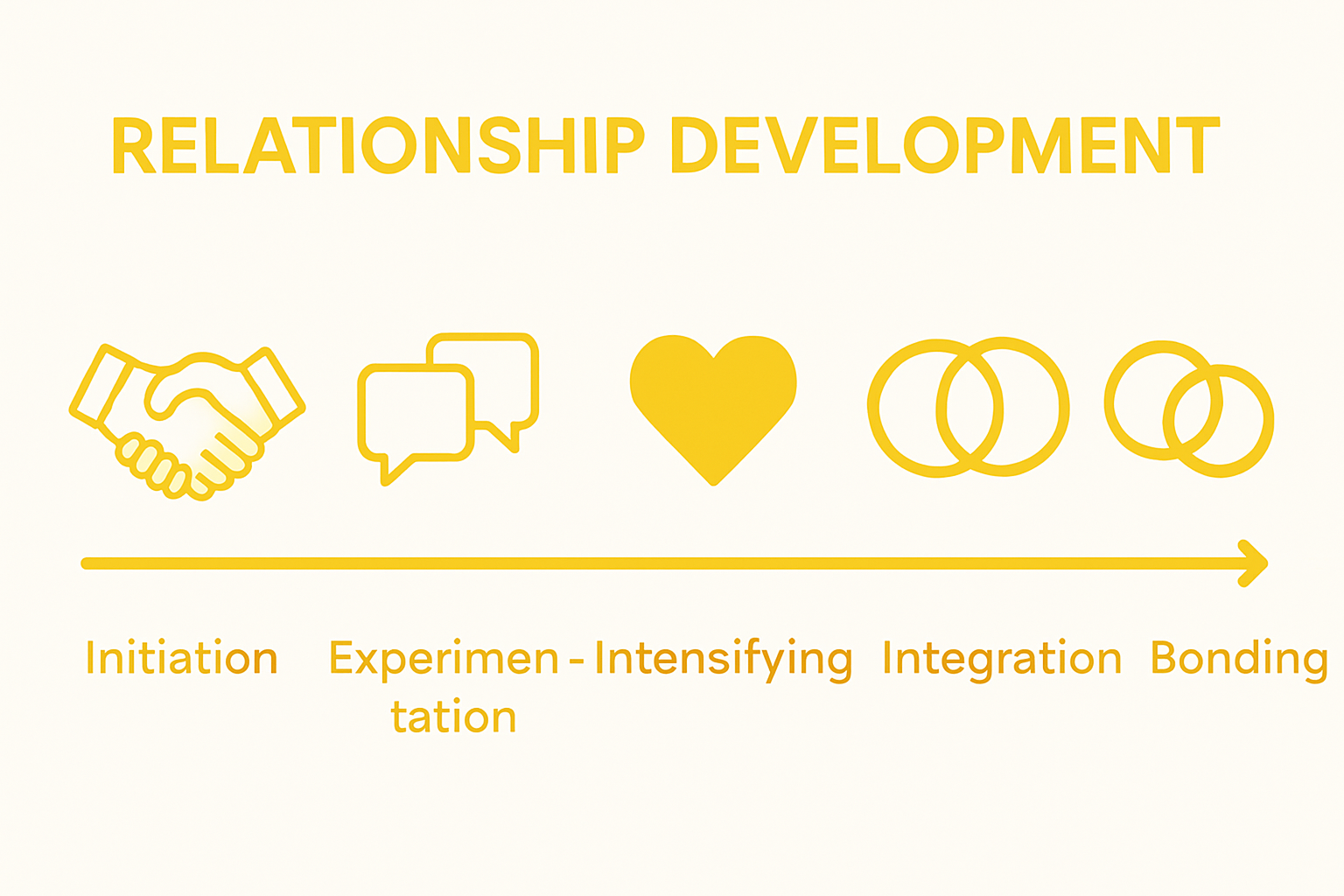
The Stages of Relationship Development and Their Milestones


Relationship development is a complex, nonlinear journey marked by distinct stages of emotional and interpersonal transformation. Understanding these stages helps couples navigate their partnership with greater intentionality and awareness.

Foundational Stages of Relationship Progression


Research from relationship psychology reveals that relationships typically evolve through interconnected developmental stages, each characterized by unique emotional and behavioral dynamics.
The primary stages of relationship development include:
Below is a table summarizing the main stages of relationship development and the milestone experienced at each stage, for easy reference and comparison.


StageDescriptionTypical Milestone Event
InitiationFirst interactions and initial attractionFirst meeting or introduction
ExperimentationExploring compatibility and shared interestsFirst date or early outings
IntensifyingDeepening emotional connection and commitmentBecoming exclusive or expressing feelings
IntegrationMerging individual identities and creating shared visionMoving in together or sharing routines
BondingFormal commitment and long-term partnershipEngagement, marriage, or shared vows

Five stage relationship development timeline infographic

  • Initiation Stage: First interactions and initial attraction

  • Experimentation Stage: Exploring compatibility and shared interests

  • Intensifying Stage: Deepening emotional connection and commitment

  • Integration Stage: Merging individual identities and creating shared life vision

  • Bonding Stage: Formal commitment and long-term partnership


Psychological Dynamics of Relationship Milestones


Each developmental stage represents a critical psychological transformation. Partners negotiate boundaries, communicate expectations, and gradually build emotional intimacy. These transitions are not linear but represent complex, interconnected experiences of mutual growth.
Key psychological processes during relationship development involve:

  • Gradual vulnerability and trust building

  • Negotiating individual and collective identities

  • Developing shared communication patterns

  • Adapting to changing relationship needs


Understanding these stages helps couples celebrate marriage by recognizing the profound emotional journey they are undertaking together. Each milestone becomes an opportunity for deeper connection, mutual understanding, and intentional partnership.

How Milestones Influence Relationship Strength and Bonds


Relationship milestones are profound transformative experiences that fundamentally reshape the emotional architecture of partnerships. These critical moments serve as foundational touchstones that either strengthen or challenge the bond between partners.

Psychological Investment and Commitment


Research on relationship dynamics demonstrates that achieving specific milestones significantly enhances relationship quality by increasing mutual investment and commitment. These moments represent strategic emotional investments that deepen partners’ psychological connection.
Key mechanisms of milestone influence include:

  • Creating shared narrative and collective memory

  • Reinforcing emotional vulnerability

  • Demonstrating mutual trust and reliability

  • Establishing deeper interdependence


Structural Transformation of Relationship Dynamics


Milestones function as critical recalibration points where partners negotiate evolving relationship expectations. They represent more than simple chronological markers they are psychological restructuring events that fundamentally alter relationship infrastructure.
Important structural transformations occur through milestones such as:

  • Redefining individual and collective identities

  • Establishing new communication patterns

  • Redistributing relationship responsibilities

  • Integrating extended social networks


Understanding these dynamics helps couples build trust in marriage by recognizing how each milestone contributes to their relationship’s resilience and depth. Each shared experience becomes a crucial building block in constructing a robust, adaptive partnership.
relationship milestones daily life

Real-World Examples of Relationship Milestones in Marriage


Relationship milestones are deeply personal experiences that manifest uniquely in each partnership. While theoretical frameworks provide understanding, real-world examples illuminate the nuanced ways couples navigate transformative moments in their shared journey.

Emotional and Personal Growth Milestones


Psychological research on marital relationships highlights that significant life challenges can become profound relationship milestones, demonstrating a couple’s resilience and collective strength.
Critical personal growth milestones include:

  • Navigating first major financial challenge together

  • Supporting each other through career transitions

  • Managing unexpected health crises as a united front

  • Overcoming significant personal or collective traumas

  • Maintaining connection through long-distance periods


Practical Relationship Transformation Points


Milestones are not always dramatic events but often represent subtle yet significant transitions in relationship dynamics. These moments reveal a couple’s adaptability, communication skills, and mutual commitment.
Practical relationship milestones encompass:

  • Purchasing first home together

  • Making joint financial decisions

  • Developing shared parenting strategies

  • Creating mutual career support systems

  • Establishing healthy boundary-setting practices


Understanding these real-world milestones helps couples understand the importance of friendship in marriage by recognizing that growth is a collaborative, continuous process. Each milestone becomes an opportunity to deepen understanding, trust, and mutual respect.

Take Control of Your Relationship Journey with Wise Husband


Are you struggling to recognize or celebrate the key milestones that shape your marriage? If you’ve read about the emotional depth, trust, and growth that come with relationship milestones in this article, you know how easy it is to miss these important moments when daily challenges get in the way. Many men want to be intentional in their partnership but feel unsure when it comes to turning insight into action. If you want practical help to strengthen your connection and become the partner your marriage deserves, you will find real support in our Daily Wisdom section.
https://wisehusband.com/
This is your chance to apply the principles discussed and see real change. Discover daily tips, honest guidance, and a community of men who are intentionally building better marriages at WiseHusband.com. Start now and transform each relationship milestone into a moment of genuine growth and connection.

Frequently Asked Questions


What are relationship milestones?


Relationship milestones are significant events or experiences that mark important transitions and growth within a romantic partnership, such as moving in together, getting engaged, or overcoming challenges.

Why do relationship milestones matter for couples?


They serve as critical indicators of emotional connection and commitment, enhancing relationship satisfaction and helping couples navigate long-term partnerships.

How do relationship milestones influence emotional intimacy?


Recognizing and honoring relationship milestones can deepen emotional intimacy, build trust, and create a collective narrative that strengthens the bond between partners.

What are some examples of relationship milestones in marriage?


Examples include navigating financial challenges together, supporting each other through career changes, and making joint decisions about parenting or home ownership.


Get the Wise Husband Book


https://wisehusband.com/understanding-relationship-milestones-what-they-mean/?fsp_sid=1226

6 Thoughtful Ways to Surprise Your Wife and Rekindle Romance

Surprise Your Wife


Trying to surprise your wife without her figuring it out feels impossible sometimes. Most blokes reckon they know their partners inside out and reckon a surprise is just about picking the right present. But get this. Almost 80 percent of women say thoughtful planning matters more than the price tag or size of the surprise. Forget clichéd gifts. The real secret is creating moments that make her feel seen in ways she never expected.

Table of Contents

Quick Summary

Key PointExplanation
1. Understand Her Interests DeeplyEngage in meaningful conversations to learn about her passions and desires. This builds emotional intelligence and fosters connection.
2. Plan a Personalized SurpriseUse insights from your discussions to create a tailored experience that resonates with her interests and shows your attentiveness.
3. Maintain Discretion During PlanningKeep your surprise under wraps by blending your normal communication and involving trusted friends discreetly in the planning.
4. Create a Connection MomentMake the surprise an opportunity for meaningful dialogue, focusing on emotional presence and shared experiences to deepen your bond.
5. Follow Up with Genuine InterestAfter the surprise, ask thoughtful questions to show continuous engagement and appreciation, reinforcing the emotional connection over time.

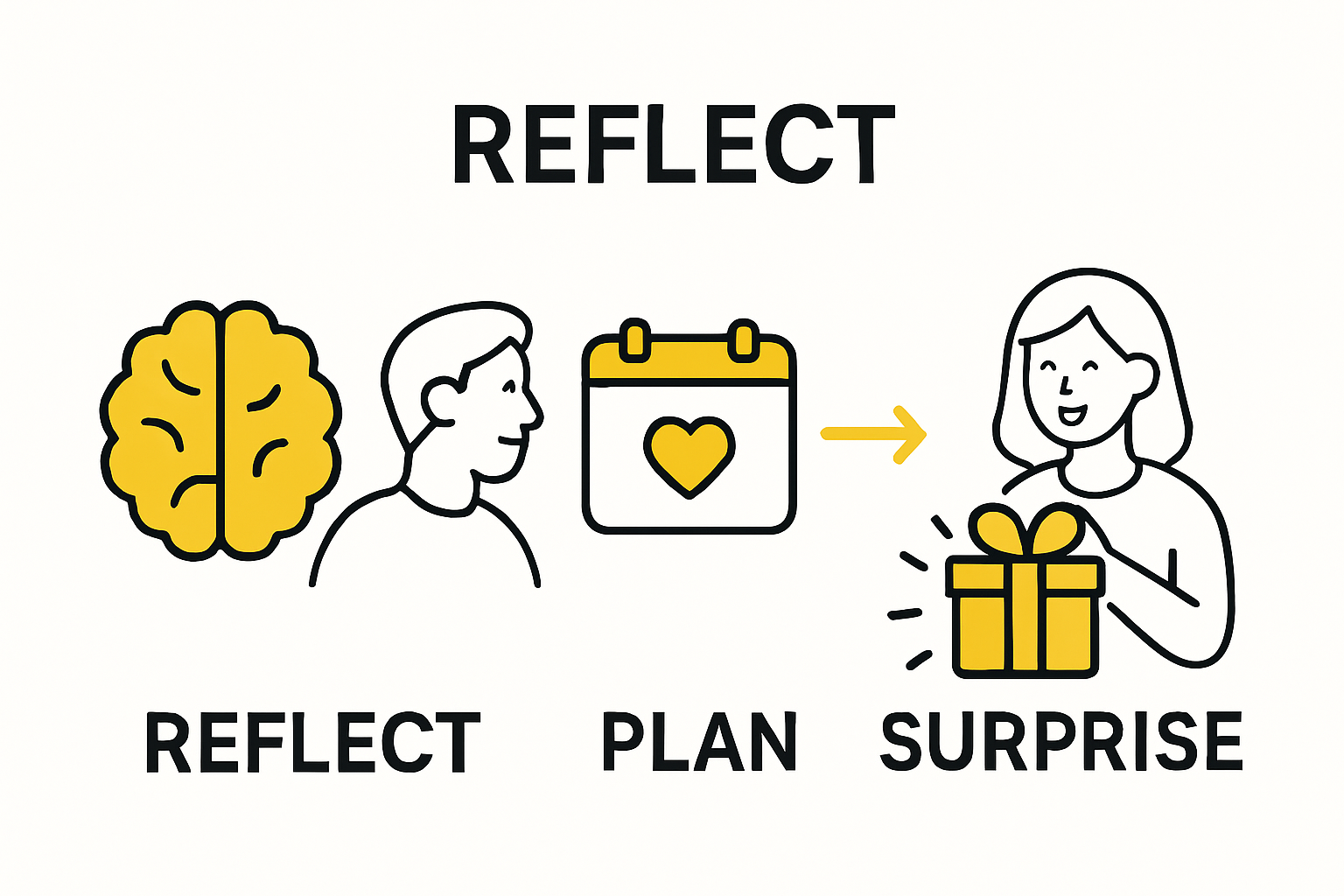
Step 1: Reflect on Her Interests and Needs

Rekindling romance starts with a profound yet simple action: truly understanding your wife’s unique interests and emotional landscape. Most husbands mistakenly believe they already know their partner, but genuine connection requires deliberate, ongoing exploration.

Begin by creating dedicated time for intentional conversation. This isn’t about casual small talk, but a meaningful dialogue where you actively listen and observe. Put away distractions like mobile phones and create a comfortable environment where she feels safe sharing her innermost thoughts and desires.

Practical Observation Techniques

Pay close attention to her conversations, noting the subjects that light up her eyes or spark genuine excitement. What topics make her lean forward? What stories generate emotional resonance? These subtle cues reveal her deeper interests and passions.

Consider maintaining a personal journal where you document these insights. Track her mentioned dreams, hobbies she mentions wanting to explore, or past experiences she fondly recalls. These notes become a roadmap for creating meaningful surprises that demonstrate you genuinely understand her.

Your goal isn’t just gathering information, but developing emotional intelligence about her evolving needs and aspirations. People change, and so do their interests. What fascinated her five years ago might differ from her current passions.

Listen without judgment and ask open ended questions that invite deeper sharing. Phrases like “Tell me more about that” or “What does that mean to you” create space for vulnerable, authentic communication.

Learn more about building emotional connection with your partner by understanding the nuanced art of genuine listening and empathy.

Successful reflection means you can articulate her interests, dreams, and emotional landscape with genuine precision. If you can describe her passions as accurately as she would, you’ve completed this crucial first step towards surprising and romancing your wife.

Infographic showing reflect, plan, surprise steps for surprising your wife

Step 2: Plan a Meaningful Surprise

Transforming your newfound understanding of her interests into a heartfelt surprise requires strategic thinking and genuine creativity. Planning isn’t just about the event itself, but crafting an experience that communicates deep emotional investment and personal recognition.

Start by matching your surprise directly to the insights you gathered during the reflection stage. Meaningful surprises aren’t generic gestures, but carefully curated experiences that demonstrate you’ve been paying attention. If she mentioned loving photography but rarely has time to practice, consider arranging a weekend photography workshop or purchasing a unique lens she’s mentioned wanting.

The art of surprise involves balancing predictability with spontaneity. While you want the gesture to feel unexpected, it should simultaneously feel intimately familiar. This means avoiding random acts that feel disconnected from her personality and instead creating experiences that resonate with her core interests and dreams.

Timing and Context Matter

Consider the practical elements of your surprise. When will she be most receptive? Some women appreciate surprises during low stress periods, while others might find unexpected moments during challenging times particularly touching. Your earlier observations about her emotional landscape will guide these nuanced decisions.

Budget doesn’t determine meaningfulness. A meticulously planned picnic at her favorite local spot can be far more impactful than an expensive but impersonal gift. Focus on the emotional significance rather than monetary value.

Document your planning process. Take notes about potential ideas, potential challenges, and backup options. Flexibility demonstrates emotional intelligence your wife will appreciate.

Discover strategies for creating memorable relationship moments that go beyond traditional romantic gestures.

A successful surprise is measured not by her immediate reaction, but by the underlying message: “I see you. I understand you. I’m committed to our connection.” When your surprise reflects genuine understanding and effort, you’ve transcended a simple gesture and created a meaningful moment of intimacy.

Step 3: Set Up the Surprise Without Detection

Executing a surprise requires tactical planning and strategic discretion. The element of unexpected delight hinges on meticulous preparation without raising suspicion. Your mission is to orchestrate an experience that materializes seamlessly, catching your wife completely off guard.

Communication Camouflage

Maintain your regular communication patterns to avoid triggering any unusual alerts. If you typically text sporadically, continue that rhythm. Sudden changes in communication frequency or style can inadvertently signal something is brewing. Think of yourself as a surprise mission specialist where every interaction must appear completely normal.

Enlist trusted allies who can assist without compromising your plan. This might include family members, close friends, or colleagues who can provide logistical support. However, choose confidants wisely. Select individuals who understand the importance of discretion and can maintain absolute secrecy.

Logistical preparation demands careful choreography. If your surprise involves travel or complex arrangements, handle planning during times when she’s least likely to discover your activities. Utilize private browsing, secure communication channels, and potentially even create separate email accounts or digital folders to store surprise-related information.

Misdirection Techniques

Create plausible alternative narratives that explain any potential changes in your routine. If you’re planning a weekend getaway, you might casually mention work commitments or personal errands that align with your actual preparation time. The key is crafting a narrative so natural that it doesn’t trigger investigative curiosity.

Consider digital footprints carefully. Delete browser histories, clear messaging app caches, and be mindful of shared digital spaces. Modern technology makes surprises challenging, so vigilance is crucial.

To help you discreetly plan and execute a surprise without being detected, here is a checklist of key actions and considerations covered in the article. Use this as a handy reference to keep your surprise under wraps.

Action ItemPurpose
Maintain regular communication stylePrevent raising suspicion
Involve only trustworthy alliesEnsure secrecy and effective assistance
Use private browsing and secure storageProtect digital evidence of your plans
Create plausible alternative explanationsDivert attention from real activities
Clear browser and app historiesRemove digital footprints
Plan logistics during private timeAvoid accidental discovery
Prepare backup optionsHandle unforeseen circumstances

Learn advanced strategies for maintaining relationship mystery and keeping the spark of excitement alive.

Successful surprise setup means your wife remains completely unaware until the moment of revelation. When she experiences that magical moment of unexpected joy, you’ll know your careful planning has paid off. The true measure of success is her genuine, unfiltered reaction of surprise and delight.

Step 4: Execute the Plan with Precision

Precision transforms a good intention into an extraordinary moment. Executing your surprise requires a delicate balance of spontaneity and careful orchestration. Your goal is to create an experience that feels both meticulously planned and wonderfully organic.

Emotional Timing is Everything

Choose the moment of revelation strategically. Consider her typical emotional rhythms and daily patterns. A surprise works best when she’s relatively relaxed and receptive. Avoid times of high stress, immediately after work, or during moments when she might feel overwhelmed with responsibilities.

Physical and emotional presence becomes critical during execution. Your demeanor should communicate genuine excitement and thoughtfulness. Maintain relaxed body language that doesn’t hint at underlying nervousness. Confidence in your preparation will translate into a smooth, natural surprise presentation.

Contingency planning is crucial. Despite meticulous preparation, unexpected variables can emerge. Have flexible backup options that maintain the core essence of your surprise. If an outdoor picnic gets derailed by sudden rain, be prepared with an indoor alternative that still captures the original sentiment.

Pay extraordinary attention to small details. The difference between a good surprise and an unforgettable one often lies in subtle nuances. If you’re planning a photography workshop, for instance, consider including a personalized notebook or bringing her favorite coffee. These micro-moments of consideration elevate the entire experience.

Authentic Emotional Delivery

Communicate the surprise with genuine vulnerability. Explain the thought process behind your gesture. Share how your observations of her interests inspired this moment. This transparency transforms the surprise from a mere event into a profound connection point.

Explore deeper strategies for creating meaningful relationship moments that go beyond traditional romantic gestures.

Successful execution means your wife feels simultaneously surprised and deeply understood. When her eyes light up with genuine appreciation not just for the surprise itself, but for the thoughtfulness behind it you’ll know you’ve mastered the art of precision in romantic gestures.

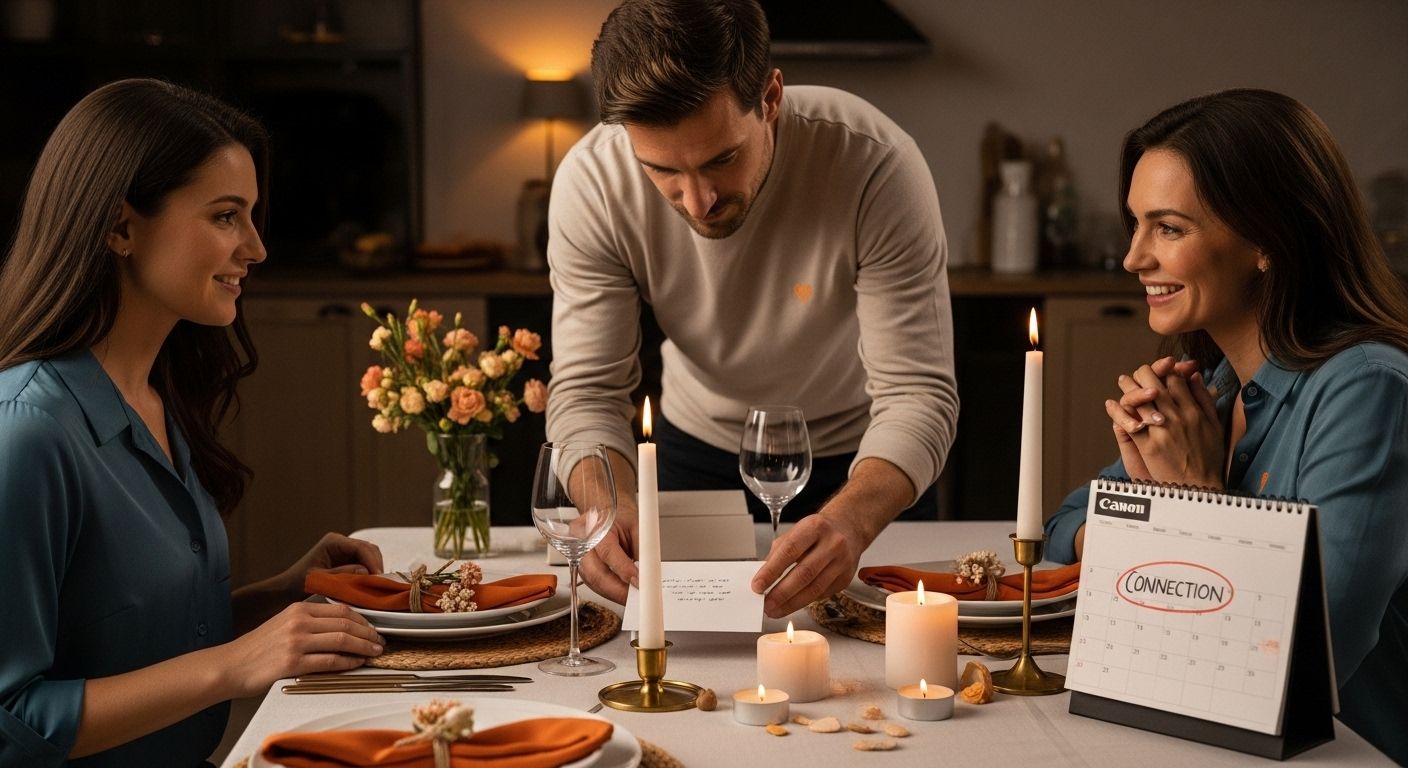
Step 5: Create a Moment for Connection

Connection transcends the surprise itself. This pivotal moment transforms a thoughtful gesture into a profound emotional experience that deepens your marital bond. Your goal is to create an environment of vulnerability, genuine communication, and mutual understanding.

Emotional Presence is Key

Be fully present during this moment. Put away digital distractions and create a sacred space where both of you can genuinely engage. Your body language, eye contact, and undivided attention communicate more than words ever could. Listen actively, not just to respond, but to truly understand the emotions behind her reactions.

Vulnerability requires courage. Share the motivations behind your surprise. Explain how your observations of her interests and dreams inspired this moment. Reveal your thought process, demonstrating that this gesture emerged from deep appreciation and love. This transparency invites her to reciprocate emotional openness.

Choose conversation topics that invite deeper connection. Move beyond surface level discussions about the surprise itself. Explore the underlying emotions, dreams, and aspirations that the moment represents. Ask open ended questions that encourage reflection and sharing.

Creating Meaningful Dialogue

Pay attention to her emotional responses. Some partners might feel overwhelmed by elaborate surprises, while others thrive on grand gestures. Your ability to read her subtle cues and adjust accordingly demonstrates emotional intelligence. Be prepared to pivot the conversation based on her comfort level and emotional state.

Physical touch can amplify emotional connection. A gentle hand hold, a soft embrace, or simply sitting close can communicate volumes. These non verbal cues reinforce the emotional intimacy you’re cultivating.

Discover advanced techniques for deepening marital connection and creating lasting emotional bonds.

Successful connection means you both feel more deeply understood and appreciated after the moment. When the conversation flows naturally, when laughter emerges spontaneously, and when you sense a renewed sense of intimacy you’ll know you’ve transformed a surprise into a transformative relationship experience.

ways to surprise your wife | Wise Husband

Step 6: Follow Up to Reinforce Appreciation

The magic of a surprise isn’t just in its moment of revelation, but in the intentional follow up that transforms a single gesture into an ongoing narrative of love and appreciation. This final step ensures that your surprise becomes a meaningful milestone in your relationship’s journey.

Sustained Emotional Investment

In the days following your surprise, demonstrate consistent interest in how the experience impacted her. Ask specific questions that show you’re genuinely invested in her emotional response. Avoid generic inquiries like “Did you enjoy it?” Instead, probe deeper: “What moment during the photography workshop resonated most with you?” or “How did experiencing that activity make you feel about your creative aspirations?”

Document her reflections subtly. Not through formal note taking, but by listening intently and referencing her comments in future conversations. This shows you’re not just performing a one time gesture, but actively integrating her experiences and emotions into your shared life narrative.

Timely and thoughtful communication is critical. Send a handwritten note a few days after the surprise, referencing specific moments you both shared. Handwritten messages carry a level of intimacy that digital communication cannot replicate. They demonstrate deliberate effort and personal investment.

Continuous Relationship Nurturing

Don’t let the momentum of connection dissipate. Plan small, unexpected follow up experiences that build upon the original surprise. If you arranged a photography workshop, consider gifting her a photography book by an artist she admired during the session, or suggest a weekend photo expedition.

Recognize that appreciation is a continuous dialogue, not a single transaction. Your goal is creating a relationship dynamic where surprises and emotional connection become natural, recurring experiences rather than isolated events.

Explore deeper strategies for maintaining relationship vitality and keeping emotional connections strong.

Successful follow up means your wife feels continuously seen, valued, and understood. When she starts initiating similar moments of connection, when conversations flow more openly, and when you sense a renewed sense of partnership you’ll know your approach has transformed your relationship’s emotional landscape.

Rediscover Romance and Become the Husband She Deserves

Are you tired of feeling disconnected in your marriage or unsure how to spark genuine excitement in your wife? The article “6 Thoughtful Ways to Surprise Your Wife and Rekindle Romance” reveals that many men struggle with reigniting connection, planning meaningful surprises, and truly understanding their partner’s evolving needs. You might recognise the challenge of keeping romance alive without slipping into predictable routines. If you keep finding yourself wanting to do more but aren’t sure where to start, you’re not alone. WiseHusband.com is here to help you translate these caring intentions into everyday habits that make a real difference.

https://wisehusband.com/

Stop letting uncertainty hold you back. Dive into the full range of practical resources, real-world marriage help, and empowering advice available at Wise Husband today. For more guidance on building emotional connections and mastering authentic listening, explore this in-depth guide on how to be a better husband. Take your next step toward stronger communication and renewed romance by joining a community of men committed to growth. Visit WiseHusband.com to access expert-supported tools that will transform your approach to marriage starting now.

Frequently Asked Questions

How can I identify my wife’s interests for a surprise?

Reflect on her conversations, paying attention to the topics that excite or resonate with her deeply. Keeping a journal of her dreams and interests will also help.

What makes a surprise meaningful for my wife?

A meaningful surprise is tailored to her personal interests and dreams, rather than generic gestures. It should reflect your genuine understanding and emotional investment in her happiness.

How do I execute a surprise without her noticing?

Maintain your usual communication patterns to avoid raising suspicion. Consider enlisting trusted friends or family to help with logistics while ensuring discretion, and create plausible stories to cover your planning activities.

What should I do after the surprise to reinforce appreciation?

Follow up by actively engaging in conversations about the surprise experience. Ask specific questions about her feelings, and consider sending a handwritten note or planning follow-up experiences that build upon the initial surprise.


Get the Wise Husband Book


https://wisehusband.com/ways-to-surprise-your-wife/?fsp_sid=1214

Wednesday, 1 October 2025

The Importance of Communication in Marriage


Communication in Marriage


Most couples think talking regularly keeps their marriage healthy. But research from the Gottman Institute found that the way you communicate matters far more than how often you communicate. What surprises many is that even couples who argue sometimes have stronger relationships than couples who avoid conflict altogether. The real secret lies in how honestly and openly partners express emotions, not just in how often they talk.


Table of Contents


Quick Summary


TakeawayExplanation
Effective communication builds emotional intimacy.Open and honest sharing fosters a safe space for partners to connect on a deeper level.
Active listening is essential for understanding.Genuinely hearing your partner prevents misunderstandings and helps validate their feelings.
Constructive conflict resolution strengthens bonds.Addressing disagreements collaboratively can enhance trust and deepen the relationship.
Emotional transparency fosters enduring trust.Sharing vulnerabilities without judgment cultivates a strong emotional foundation.
Poor communication can lead to relationship breakdown.Ineffective communication patterns can escalate conflicts and destabilize the partnership.

What is Communication in Marriage?


Communication in marriage represents far more than simple verbal exchanges between partners. It is a complex, multifaceted system of sharing thoughts, emotions, needs, and expectations through both verbal and non-verbal channels. Understanding the deeper nuances of marital communication reveals how profoundly it impacts relationship dynamics and long term partnership success.


The Core Elements of Marital Communication


At its fundamental level, communication in marriage involves several critical components:


  • Verbal Expression: The words spoken between partners, including tone, volume, and precise language used

  • Non Verbal Signals: Body language, facial expressions, physical gestures that often communicate more than words

  • Emotional Transparency: The willingness to share genuine feelings without fear of judgment


According to research from the Gottman Institute, effective marital communication requires partners to create a safe emotional environment where both individuals feel heard and validated.


Dimensions of Effective Communication


Marital communication transcends mere information exchange. It encompasses:


  • Active Listening: Genuinely hearing and processing your partner’s perspective without preparing a defensive response

  • Empathetic Understanding: Connecting with your partner’s emotional experience

  • Constructive Problem Solving: Using communication as a tool to address challenges collaboratively


Successful communication means transforming dialogue from a potential battleground into a bridge of mutual understanding and connection.


When partners communicate authentically, they create a foundation of trust, intimacy, and shared growth.


Why Effective Communication Matters in Relationships


Communication serves as the fundamental infrastructure of any healthy relationship, functioning like an emotional highway where understanding, trust, and connection travel between partners. Effective communication exercises for couples can transform relationship dynamics from potential conflict zones to collaborative partnerships.


Emotional Connection and Intimacy


At its core, communication represents more than just exchanging words. It is the primary mechanism through which partners create emotional intimacy, share vulnerabilities, and build mutual understanding. When partners communicate effectively, they develop a profound sense of safety and emotional closeness that transcends surface level interactions.


According to research published in the Journal of Marriage and Family, couples who communicate openly experience significantly higher relationship satisfaction and emotional resilience.


Conflict Resolution and Relationship Stability


Effective communication plays a critical role in navigating relationship challenges. Partners who communicate constructively can:


  • Address disagreements without escalating tension

  • Express needs and boundaries clearly

  • Understand each other’s perspectives without becoming defensive

  • Negotiate compromises collaboratively

  • Rebuild trust after misunderstandings


Without robust communication skills, minor disagreements can quickly transform into major relationship fractures. Healthy communication acts as a protective mechanism, allowing couples to process differences with mutual respect and understanding.


Below is a comparison table outlining core elements that distinguish effective marital communication from poor or ineffective communication as discussed in the article.


AspectEffective CommunicationIneffective Communication
Emotional TransparencyPartners share genuine feelings openly and without fearPartners withhold or mask true emotions
Active ListeningEach partner listens without interrupting or reacting defensivelyPartners talk over each other or become defensive
Conflict HandlingDisagreements are addressed constructively and collaborativelyArguments escalate or conflicts are avoided entirely
Non-verbal CuesBody language and tone reinforce messages and emotional safetyNon-verbal cues show disinterest or hostility
Trust BuildingHonest communication fosters enduring trust and securityLack of openness undermines trust and connection

Ultimately, communication is not just about speaking but about creating a shared emotional language that connects two individuals deeply and authentically.


How Communication Strengthens Marital Bonds


Communication serves as the foundational glue that binds partners together, transforming individual experiences into a shared life journey. Understanding why marriages sometimes struggle helps highlight how intentional communication becomes crucial in maintaining relationship strength.


Building Emotional Intimacy


Effective communication transcends mere information exchange. It creates a deep emotional reservoir where partners can safely share their innermost thoughts, fears, dreams, and vulnerabilities. By consistently communicating with genuine openness, couples develop a profound understanding of each other that goes beyond surface level interactions.


Partners who communicate authentically build emotional trust, creating a safe environment where both individuals feel genuinely heard and validated. This emotional safety becomes the cornerstone of long lasting marital connection.


Communication in Marriage | Wise Husband


According to research from the Gottman Institute, couples who maintain consistent, positive communication patterns demonstrate significantly higher relationship satisfaction and resilience.


Strong communication acts as a relationship navigation system, helping partners traverse complex emotional terrains. Couples with robust communication skills can:


  • Resolve conflicts without escalating tension

  • Understand each other’s perspectives empathetically

  • Negotiate differences with mutual respect

  • Support each other during stressful life transitions

  • Maintain emotional connection during challenging periods


By transforming potential disagreements into opportunities for deeper understanding, effective communication becomes a powerful mechanism for continuous relationship growth and renewal.


Ultimately, communication is not just about speaking, but about creating a shared emotional language that connects two individuals with authenticity, respect, and profound mutual understanding.


Key Concepts of Successful Marital Communication


Marital communication is an intricate dance of verbal and non-verbal exchanges that require intentional skill and emotional intelligence. Understanding common marriage problems begins with recognizing the foundational concepts that transform basic interaction into meaningful connection.


The Pillars of Effective Communication


Successful marital communication rests on several critical psychological and emotional foundations. These are not merely techniques but profound relational skills that require continuous practice and genuine commitment. The most essential pillars include emotional transparency, active listening, and empathetic understanding.


Emotional transparency means creating a safe space where partners can share vulnerabilities without fear of judgment. This requires mutual trust, consistent validation, and a genuine commitment to understanding each other’s inner worlds.


According to research from the American Psychological Association, couples who master these communication skills experience significantly higher relationship satisfaction and emotional resilience.


Critical Communication Skills


Effective marital communication encompasses a range of sophisticated interpersonal skills:


  • Active Listening: Fully concentrating on what your partner says without preparing a defensive response

  • Emotional Validation: Acknowledging your partner’s feelings as legitimate, even when you might disagree

  • Non Defensive Responses: Responding to critique or conflict with openness rather than becoming argumentative

  • Expressive Clarity: Articulating your own needs and emotions with precision and kindness

  • Emotional Regulation: Managing your emotional reactions during challenging conversations


These skills transform communication from a potential battleground into a collaborative space of mutual understanding and growth. By consistently practicing these approaches, couples can build a robust communication framework that adapts and strengthens through life’s inevitable challenges.


This table summarizes the critical communication skills necessary for marriage success, along with concise explanations for each.


Communication SkillExplanation
Active ListeningFocusing fully on your partner and genuinely hearing them
Emotional ValidationAcknowledging your partner’s feelings as legitimate
Non-Defensive ResponsesResponding openly instead of becoming argumentative
Expressive ClarityClearly articulating thoughts and emotions with kindness
Emotional RegulationManaging your emotional reactions during tough conversations

Real-world Impact of Communication Dynamics in Marriage


Marriage is not merely a legal contract but a complex emotional ecosystem where communication serves as the primary mechanism for relationship sustainability. Understanding the causes of marital conflict reveals how communication patterns directly influence relationship health and individual well-being.


Psychological and Emotional Consequences


Ineffective communication creates profound psychological ripple effects that extend far beyond momentary disagreements. Communication breakdown can trigger deep emotional wounds, eroding trust, intimacy, and individual self-worth. Partners experiencing consistent communication challenges often report increased levels of:


  • Emotional isolation

  • Chronic stress

  • Reduced self-esteem

  • Heightened relationship anxiety

  • Persistent feelings of being misunderstood


These emotional consequences demonstrate that communication is not just about exchanging words, but about maintaining psychological safety and emotional connection.


Long-term Relationship Outcomes


The communication dynamics between partners have significant implications for relationship longevity and quality.


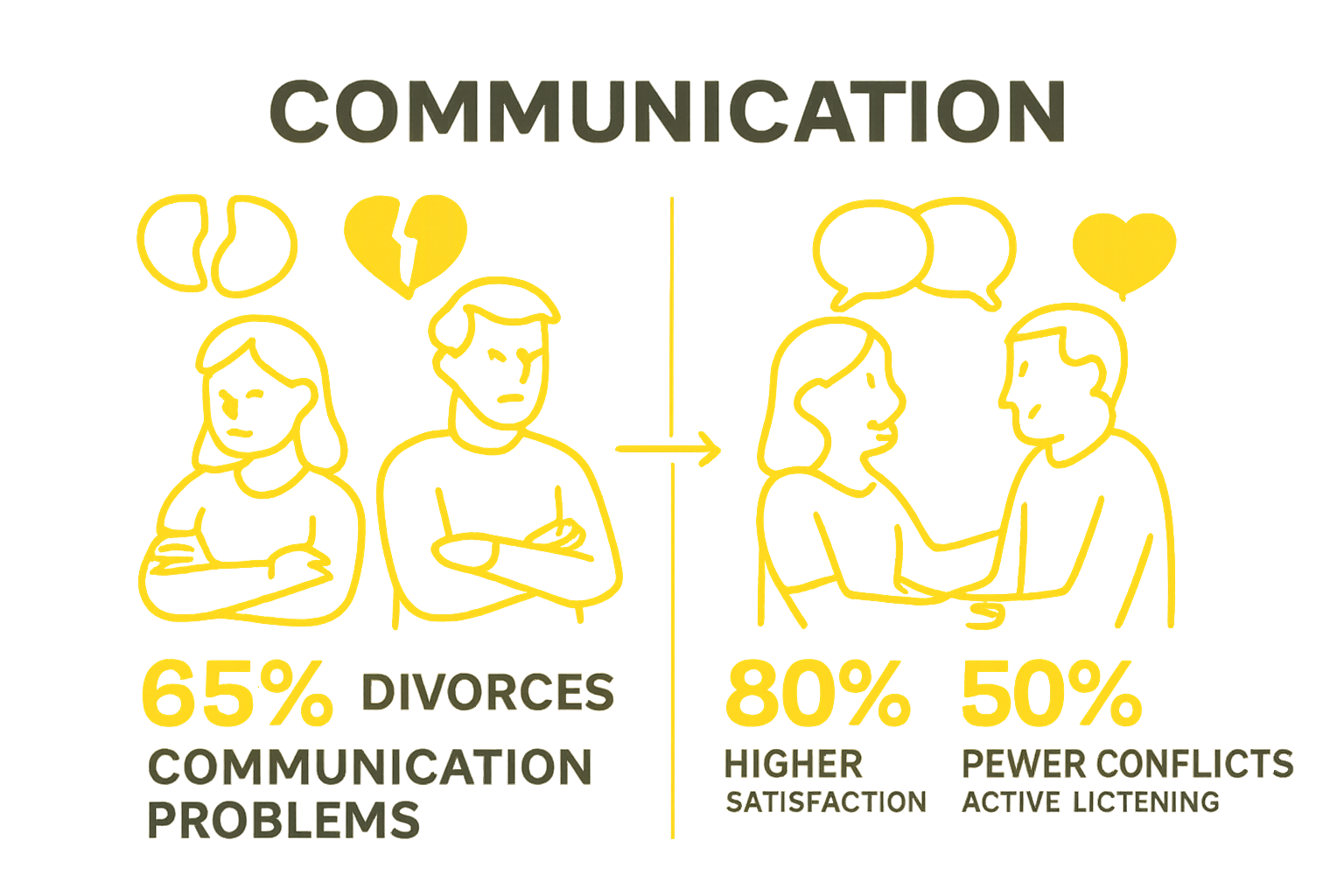
Infographic comparing effects of poor vs effective marital communication Persistent poor communication can transform minor disagreements into catastrophic relationship fractures.


According to longitudinal research examining marital stability, couples with consistently poor communication patterns are substantially more likely to experience relationship dissolution. The study highlighted that communication quality is a more reliable predictor of marriage sustainability than initial compatibility or shared interests.


Ultimately, communication represents the heartbeat of marital relationships. It is the mechanism through which partners negotiate differences, express vulnerabilities, celebrate victories, and navigate life’s inevitable challenges together.


Ready to Transform Your Marriage Through Better Communication?


Are you feeling misunderstood or struggling to truly connect with your partner? This article highlighted how communication issues can quickly lead to emotional distance, conflict, and lasting dissatisfaction. The truth is, communication in marriage is more than just talking—it is about active listening, genuine empathy, and building a foundation of trust. At Daily Wisdom - Wise Husband, we offer daily insights and practical advice to help you break unhealthy patterns and develop habits that support stronger, more intimate conversations at home.


https://wisehusband.com/


You do not have to tackle these challenges alone. Discover tools and real-world strategies designed especially for men who want to become better partners and cultivate lasting love. Visit Wise Husband today and see how you can start building the marriage you desire, one honest conversation at a time. Get inspired, grow in confidence, and join a community of men who are committed to mastering the art of marital communication. Begin your journey now by exploring our Awaken the Lover Within resources.


Frequently Asked Questions


What are the key elements of communication in marriage?


Effective communication in marriage involves verbal expression, non-verbal signals, and emotional transparency. These elements create a safe emotional environment where both partners feel heard and validated.


How does effective communication impact emotional intimacy in a relationship?


Effective communication fosters emotional intimacy by enabling partners to share vulnerabilities and connect on a deeper level, leading to a stronger sense of trust and understanding.


What skills are essential for successful marital communication?


Key skills for successful marital communication include active listening, emotional validation, non-defensive responses, expressive clarity, and emotional regulation. These skills help transform communication into a collaborative process.


How can couples improve their communication to resolve conflicts?


Couples can enhance their communication by actively listening to each other, expressing needs clearly, understanding perspectives empathetically, and negotiating compromises collaboratively to maintain respect and trust.


Get the Wise Husband Book


https://wisehusband.com/the-importance-of-communication-in-marriage/?fsp_sid=1202

Husband Archetypes From Wife’s View: Complete Guide

Did you know that over 60 percent of couples feel their relationship style doesn’t fit traditional husband stereotypes? Understanding husban...